The answer is Yes, but in all fairness, all internal combustion engines do, (see what we did there?). Ok, so let’s start off by saying they are not that bad, but they might not be that great either. It isn’t that we don’t like them, but there are definitely drawbacks to them compared to more modern diesel engines. Here are a few key points to this effect:
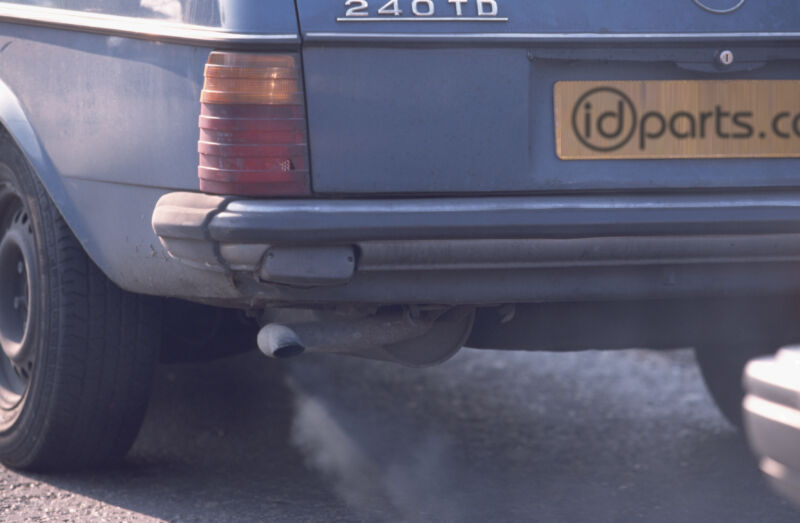
Emissions: Older diesels often lack the advanced emission control systems found in newer engines. Regardless if you agree with the higher level of emissions equipment required on newer diesels or not, they do run cleaner. Obviously, many of you with clogged DPF’s know that this is not always a good thing, but in general it is better for emissions and the environment. This means that the older engines can produce higher levels of pollutants like nitrogen oxides (NOx) and particulate matter, which are harmful to the environment and human health. We all know we have been behind that one truck or older Mercedes and thought to ourselves “wow, that thing really stinks”
Comfort, Noise and Vibration: Older diesel engines tend to be noisier and vibrate more than modern ones. Electronic timing and fuel control, as well as knock and EGT sensors are all examples of advances in technology that have led to quieter and smoother-running engines in recent years. On top of that, more modern cars have better chassis design, as well as newer materials being used in mounts and other aspects of production that give an overall more comfortable driving experience.
Fuel Efficiency: While older diesels were known for their fuel efficiency compared to gasoline engines, modern diesels and hybrids often offer even better fuel economy and lower emissions due to improved technology. Yes, there will always be the guy that brags that his ‘82 Rabbit gets 60 mpg, but let’s face it, with realistic driving in the real world, at current highway speeds, the same car would be lucky to get 40 mpg, struggling to even keep up. Most modern diesel cars can easily get 40-50 mpg under normal driving conditions, and we now have modern diesel SUVs and trucks that can get over 30 miles per gallon on the regular.
Maintenance Costs: Older diesel engines might require more frequent maintenance and repairs just purely due to age. With fewer people knowing how to work on them, repairs may be more expensive due to the age of the technology. On top of that, parts are getting harder to find. Many key parts are now becoming obsolete for the older and more rare models, and extremely expensive if you can find them.
Driving Experience: Advances in engine design have improved performance and drivability. On top of most modern vehicles being more comfortable by default, the modern diesel engines put out much better power, and allow more comfortable operation, even at highway speeds and beyond. While many older diesels struggle to go 65 mph, most modern ones cruise easily at these speeds and although not recommended, some can hit double that speed. Modern diesels also have better power delivery and can accelerate just as easily if not better than gasoline powered vehicles, so the driving experience is no different than most modern vehicles.
In the end, we still have a place in our hearts for the early stuff, and some of us here still swoon over the dirty diesels of the past, but the reality of the fact is that the more modern stuff really is an upgrade and a welcome one at that.