Introduction

Many agree that the MKIV (A4) VW platform is one of the best that VW ever produced. And they further agree that with the diesel, especially the ALH engine code, it may be the peak of VW diesels. And the BEW engine in the ‘04-’06 TDIs isn’t far behind.
These cars are now either in their late teens or early twenties, but many owners have committed to keep them running for as long as possible. More than a few have reached 500K miles and more. It is possible but, not surprisingly, things will wear out during the journey. Let’s review some of the things you can watch out for, and proactively service, to keep your TDI running to the half million mark.
Engine
If you’ve had one of these cars for any length of time you already know about the need for regular timing belt service. And you’ve probably dealt with other common wear issues like turbo actuator failure, vacuum system issues, exhaust leaks, and oil leaks from various locations (valve cover, EGR, vacuum pump, oil cooler). But there are a few other things that you might not notice or consider that may need attention.
ALH

- Fueling: Injection pump leaks may emerge: at first noticeable when the engine is cold. A pump reseal may be adequate, or the pump may need rebuilding at some point. Pump life is highly variable in these cars.
- Other fuel leaks can emerge too: fuel return lines from the injectors, leaks at the fuel filter, or from the fuel lines to injectors. All are fairly easily repaired.
- Other fuel leaks can emerge too: fuel return lines from the injectors, leaks at the fuel filter, or from the fuel lines to injectors. All are fairly easily repaired.
- Cam and followers: Again, this is variable, but a new cam and followers every 250K miles isn’t a bad idea.
- Coolant leaks: Hoses and radiators last a long time, but coolant bottles can stop working properly and result in coolant loss. Hard hoses when the engine is cold and coolant loss can also be a warning of a failing head gasket. An ALH can make it to 500K miles without a head gasket replacement, but it’s probably the exception, not the rule.
BEW

- Camshafts: PDs are known for cam failure, but the BEW cams seem to last longer than any other PD. Despite this, it’s a good idea to inspect the cam and followers at each timing belt interval.
- Fueling: The two big fueling issues BEWs face are failed in-tank lift pumps and leaking tandem pumps. When the lift pump fails the tandem pump works harder to get fuel to the injectors, and it can fail next. The tandem pump can also leak fuel into the cam and lifter area, diluting the oil and accelerating cam wear.
- Turbo: In general, BEW turbos seem to fail sooner than ALH turbos. And the vane actuator for the KP39 is not available as a replacement part. There are kits that can allow you to replace the actuator without replacing the entire turbo, but they may need some calibration to work properly.
Drivetrain
- Transmissions: The 5-speed manual in these cars lasts a long time. Change the gear oil regularly (at least every 100K miles) and make sure it’s topped up so the 5th gear gets adequate lubrication, and you should be good.
- Clutches can easily last 200K+ miles, although clutch life is heavily dependent on the owner’s driving habits.
- The automatics are a bit of a different story. I think any TDI owner knows about the failure rate of the 01M auto in the ALHs. The 09A transmission in the BEW-engined cars lasts longer. And the ‘04-06 New Beetles received the first gen of the DSG gearbox. These seem pretty robust, too, although the dual mass flywheels will fail.
- Axles: Axles are both simple and durable in these cars. Replace boots when torn and they may last all the way to 500K.

Brakes
Rotors and pads are routine replacements that most owners already know about. Calipers on these cars last a very long time if you flush fluid regularly and keep the guide pins lubricated. Front calipers can easily last the life of the car, and you may only have to replace rear calipers once in 500K miles.
Suspension and Steering

TDI owners pay a lot of attention to engine and drivetrain maintenance, but some of them tend to neglect suspension and steering. OE dampers last about 100K miles, good aftermarket dampers may last twice that mileage. If not replaced when worn, it can accelerate bushing wear, both front and rear.
Ball joints, tie rods, sway bar bushings…these all last a long time. The best strategy may be to inspect regularly and have the car aligned every year or two, depending on the kinds of roads you drive on. The alignment shop will discover any worn items.
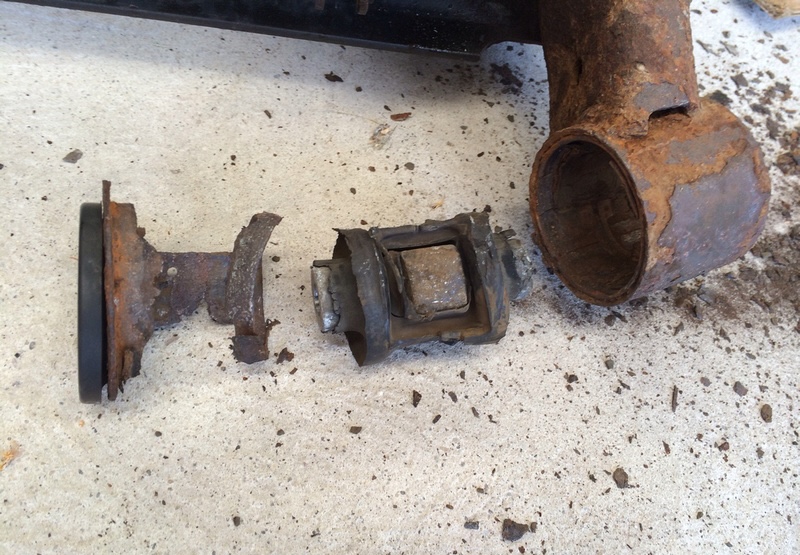
Control arm and rear axle bushings are regular wear items. Control arm bushings seem to last about 150K miles, rear axle bushings about twice that long. But if your rear shocks are worn out they’ll fail sooner.
Interior
Everyone who owns a MKIV knows about the soft touch material worn on MKIVs, and if you’re headed to 500K miles you probably have already replaced a headliner or two.
The other items that can require attention are door lock modules, which act strangely before failing altogether, and on rare occasions the comfort module may fail.
Blower motors and resistors are fairly common failure items, as is the fan switch. Otherwise, the interior wear is mostly cosmetic.
Summary
Consider that the automotive industry standard for the service life of a car is typically 150K miles. These days you’d be lucky to find a MKIV TDI with that few miles on it, and here we are looking for ways to get our TDIs to more than triple that mileage. Remarkably, these cars are up for it. Diesel on!