Diesel fuel prices recently reached an all-time high. Many of us selected diesel power in part for the higher fuel economy and lower cost per mile that it offers, but current prices are eroding that benefit. Maximizing the efficiency of your diesel is more important now than ever.
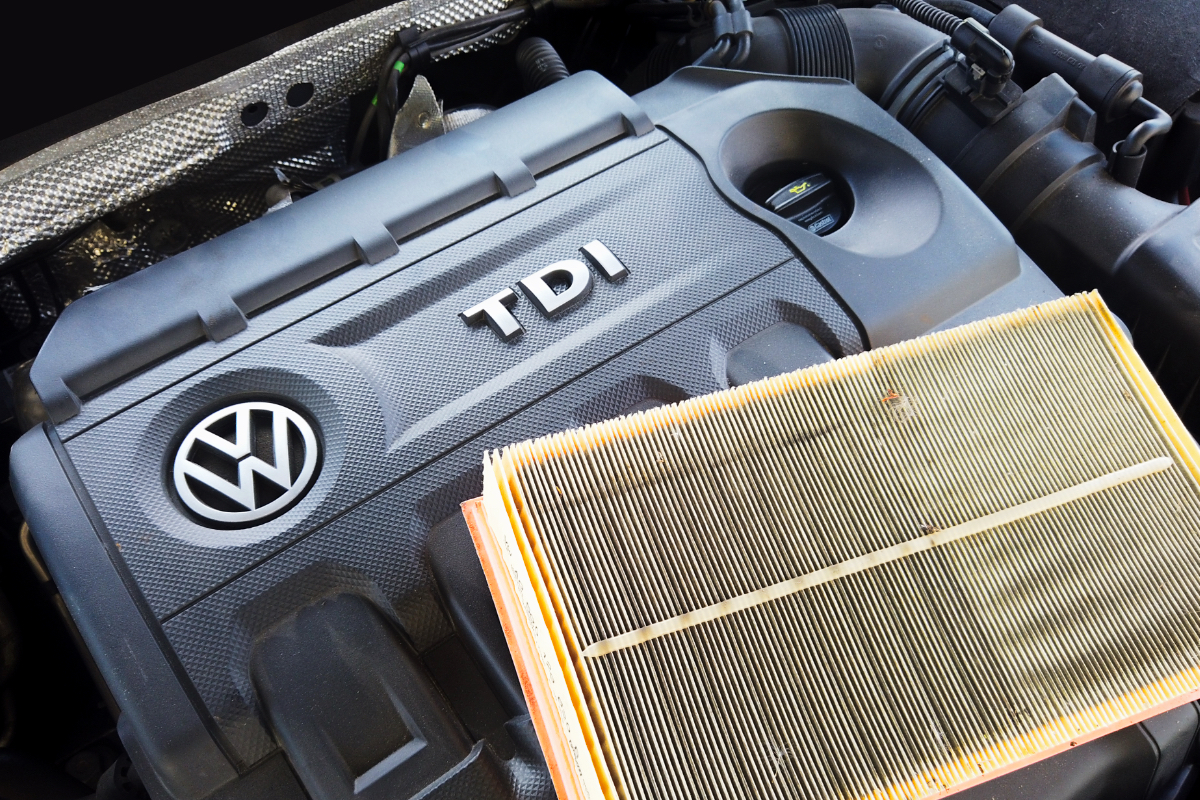
You may have heard the laughably basic tips for improving fuel economy on local news broadcasts: Slow down, take the heavy stuff out of the vehicle, put air in your tires, change your air filter. Although following these tips will make a difference, most of us are already following them.
Diesels respond well to taking steps to optimize combustion along with making sure that combustion and heat translates to forward motion. Here are 5 things to assess and optimize that can result in better fuel efficiency.

The diesel combustion event is determined by when fuel is injected into the cylinders. Modern diesels have multiple injection events, and when they occur is affected by setting the timing, both mechanical (position of the crank, cam, and pump, were applicable), and electronic: when the ECU starts injection.
You can optimize both mechanical and electronic timing. If your diesel has a timing belt, having the crankshaft, cam(s), and injection pump exactly at top dead center at the same time makes a difference. A tooth off TDC will diminish economy. If your diesel has a timing chain, the same rule applies, but keep in mind that some chains can also stretch with age and affect time. It’s worth checking.

What we’re looking at here is the correct amount of boost, meaning the turbo is meeting the boost request from the ECU. Either over or under boost can decrease fuel economy. Checking logs of actual versus requested boost can tell you if you aren’t getting the correct amount, and of course a boost fault code (such as P1550 or P00AF) is an indicator that something needs attention. Often it is the next item on the list:

Many turbos in diesels are controlled by vacuum. Vacuum can close the vanes on a variable vane turbo, making a closed chamber that can build boost. If your turbo is slow to build boost, if you get chronic over boost, or boost spikes when you tip into the accelerator, a problem in the vacuum system could be at fault. Common issues are:
- Worn and leaking vacuum hoses
- Failing solenoids
- A worn turbo actuator
- Vacuum pump that is nearing end of life
If you see boost issues or repeated limp mode, diagnosing and addressing vacuum issues may help.

Ever since diesels got any type of emissions systems (such as an EGR valve), carbon buildup has been an issue. The pretty much universal use of ultra low sulfur fuel has helped a lot, but carbon can still accumulate, especially if the diesel is idled for periods of time or frequently driven gently.
Carbon can accumulate in many locations: intake manifolds, valves, in the turbo, and of course in the emissions hardware. Too much carbon buildup with affect air flow in the engine, which can affect fueling, boost, power output, and economy.
Some engines are more prone to carbon buildup than others, but knowing where the trouble spots are in your diesel and addressing them can have a bit positive impact, both on power delivery and fuel economy.

What about fuel? Well, a lot, actually. Fuel quality, how well it’s delivered to the engine, and injector condition can all affect fuel economy. Most modern diesels have multiple pumps to deliver fuel, including an in-tank pump and a high pressure pump of some sort. Both need to be working properly. Often in tank pumps will get weak or fail, and the vehicle may still run. But not optimally.
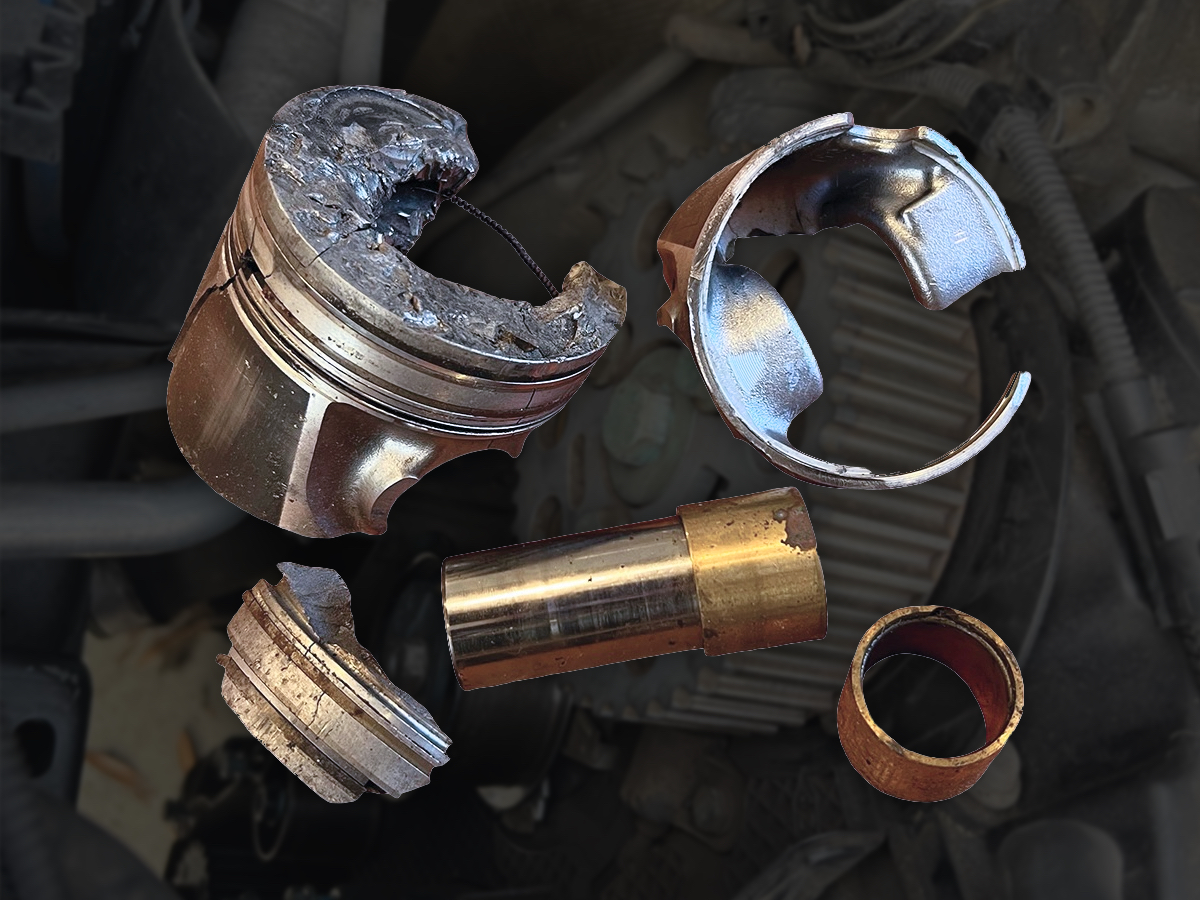
Injector condition is critical to achieving good fuel economy. Injectors have a service life, although it can vary greatly depending on how the vehicle is used and fuel quality. A good rule of thumb is to check injectors for spray pattern and wear every 100K miles or so. As debris build up in the injector nozzle, the spray pattern can get finer and deliver less fuel. Or worse, the injector can start to stream fuel which, in extreme circumstances, can melt a piston. Blue smoke (unburned fuel) or a decline in fuel economy can be a good leading indicator of worn injectors, as can more frequent regens.

Summary
Maximizing your diesel’s fuel efficiency is usually achieved by optimizing a number of small things, not changing one big thing. Take a look at these five areas and see if there’s room for improvement. Hopefully diesel prices won’t stay this high for long, but with some fine tuning, at least you can enjoy your diesel’s efficiency while they are high.