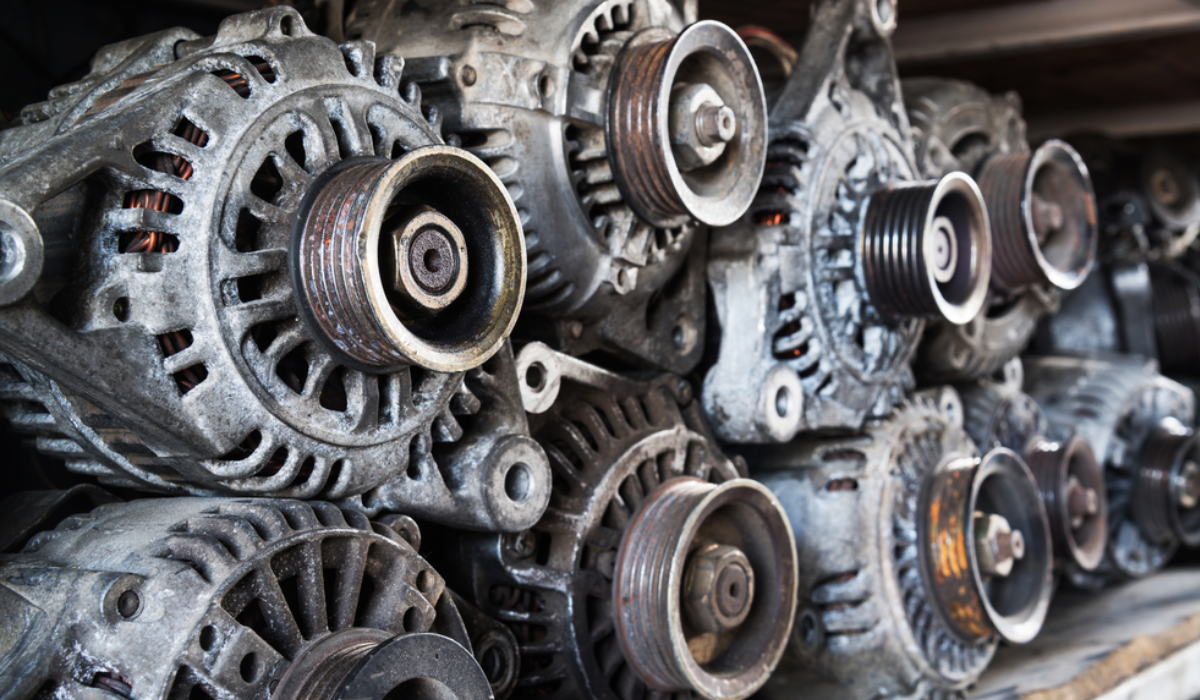
If you are shopping for a new alternator you may discover that there are many different alternators offered for your vehicle. Often these alternators have different amperage ratings, indicated by a number and an “A” – 220A, 180A etc. Choosing the right alternator version is vital to ensure your vehicle operates properly.
What does the Amperage Rating Mean
Alternator amperage ratings refer to the maximum current that an alternator can produce. Regardless of the amperage rating all alternators will put out the same voltage. An alternator will not produce maximum amperage at all times. All alternators have a regulator built into them which allows the alternator to vary power output depending on what is needed.

Why Matching Amperage Rating Is Important
- Vehicle Electrical Load:
- Modern diesels have complicated electronics which require constant power supply. Truck and vans with auxiliary heating or air conditioning are especially taxing on the electrical system. Some vehicles offer dual-alternator packages specifically to support high power equipment.
- Modern diesels have complicated electronics which require constant power supply. Truck and vans with auxiliary heating or air conditioning are especially taxing on the electrical system. Some vehicles offer dual-alternator packages specifically to support high power equipment.
- Battery Charging:
- Besides powering the electrical systems, the alternator must also recharge the vehicle’s battery, especially after it has been used to start the engine. A higher amperage rating ensures the battery can be recharged quickly and efficiently.
- Besides powering the electrical systems, the alternator must also recharge the vehicle’s battery, especially after it has been used to start the engine. A higher amperage rating ensures the battery can be recharged quickly and efficiently.
- Aftermarket Accessories:
- Many vehicle owners install aftermarket accessories such as high-power audio systems, light bars, dash cams, and other electronic devices. These add to the overall electrical load, necessitating a higher amperage alternator to handle the increased demand.
- Many vehicle owners install aftermarket accessories such as high-power audio systems, light bars, dash cams, and other electronic devices. These add to the overall electrical load, necessitating a higher amperage alternator to handle the increased demand.
- Efficiency:
- An alternator operating near its maximum capacity may generate more heat and wear out faster. An alternator with a higher amperage rating can operate more efficiently and with less strain, potentially increasing its lifespan.
Upgrading to a Higher Amperage Alternator
Most vehicles which offer multiple amperage ratings are compatible with the highest amperage alternator without additional modification. For example, a Sprinter van equipped with a 180A alternator can be upgraded to the 220A alternator version. A higher amperage rating will not do damage to the vehicle as the voltage output is the same regardless of rating. However, higher amperage alternators are often more expensive, so sticking with the stock rating is typically a better idea unless you are certain you need the extra power due to upgrades.

Using a Lower Amperage Alternator
While a vehicle equipped with a lower amperage alternator can be upgraded, an alternator with an insufficient amperage rating should not be used. An insufficient rating can cause:
- Battery Discharge – the battery will discharge to compensate for the lack of power which could leave you stranded with a dead battery while out on the road.
- Insufficient Power to the Vehicle – modern vehicle electronics are sensitive to having sufficient power supply and may malfunction or simply turn off if enough power isn’t available.
- Overloading and Damaging the Alternator – if the alternator is kept at or above full output its service life will be shortened. It could overheat and fail during a high-demand period, leaving your vehicle inoperable.