The main differences between new and remanufactured auto parts mostly lie in their condition, cost, and environmental impact:
- Condition and Quality:
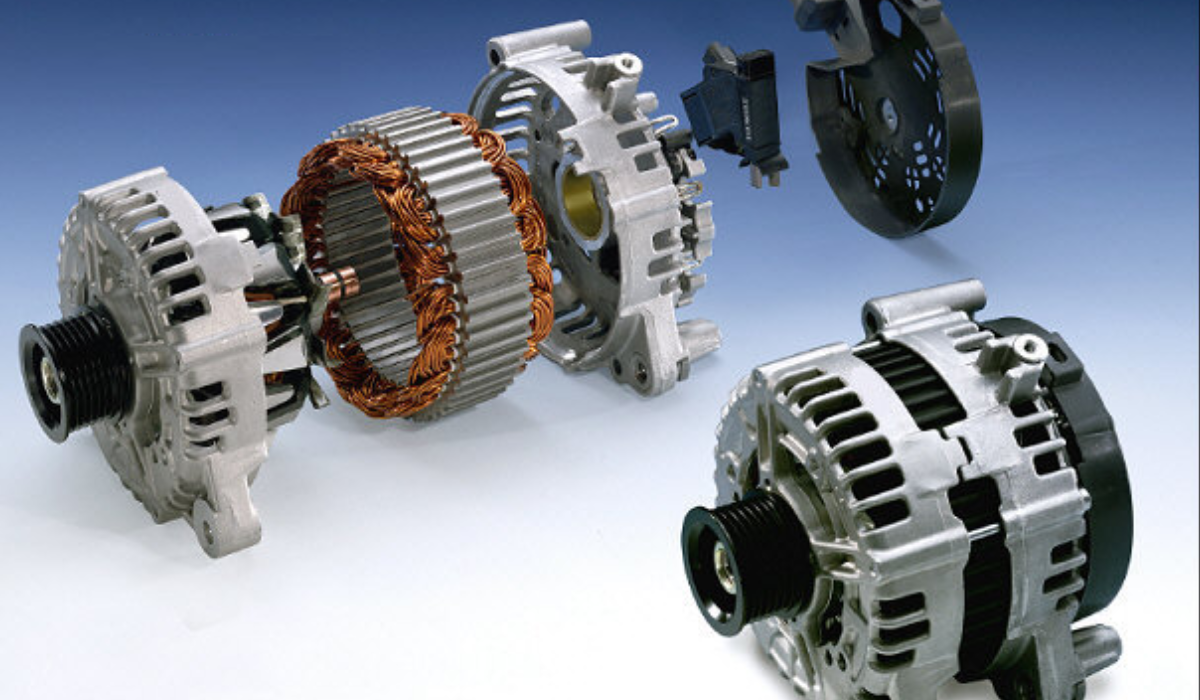
- New Parts: These are brand-new components produced by the original equipment manufacturer (OEM) or by aftermarket manufacturers. They have never been used and are typically in pristine condition with no wear or damage. In the case of say, an alternator, every part is new, from the outer housing to all of the internal electrical components.
- Remanufactured Parts: These are components that have been disassembled, cleaned, repaired, and tested to meet OEM specifications. They are essentially rebuilt to function like new. Remanufactured parts may contain some recycled or refurbished components, but critical parts are replaced to ensure reliability. Back to the same alternator reference, the outer housing is reused, (checked and cleaned), but most internal parts have been replaced and are new, such as the brushes, bearings and regulator. Essentially, all of the parts that do the actual work and wear are replaced.
- New Parts: These are brand-new components produced by the original equipment manufacturer (OEM) or by aftermarket manufacturers. They have never been used and are typically in pristine condition with no wear or damage. In the case of say, an alternator, every part is new, from the outer housing to all of the internal electrical components.
- Cost:
- New Parts: Generally, new parts are more expensive than remanufactured parts. This is because new parts involve the cost of manufacturing every component from scratch.
- Remanufactured Parts: These are often less expensive than new parts since they reuse existing materials and only replace worn-out or defective components.
- New Parts: Generally, new parts are more expensive than remanufactured parts. This is because new parts involve the cost of manufacturing every component from scratch.
- Environmental Impact:
- New Parts: Manufacturing new parts consumes more resources (raw materials, energy, time, etc.) and generates more waste compared to remanufacturing or rebuilding. On top of that, the old parts generally end up in a landfill, or in the best case scenario, getting recycled, which also uses more energy and resources.
- Remanufactured Parts: These contribute to environmental sustainability by reducing the demand for new raw materials and minimizing waste through refurbishment, only the used up parts are discarded, and there is far less waste, and less energy used compared to building a new part.
- New Parts: Manufacturing new parts consumes more resources (raw materials, energy, time, etc.) and generates more waste compared to remanufacturing or rebuilding. On top of that, the old parts generally end up in a landfill, or in the best case scenario, getting recycled, which also uses more energy and resources.
- Availability:
- New Parts: Generally easier to find, especially for newer models and specific OEM parts. This is usually because there are not enough used cores yet for remanufacturing.
- Remanufactured Parts: Availability may vary depending on the part and the demand, but they are often more common for components that wear out regularly and have a market for remanufacturing, such as starters, alternators and axles.
- New Parts: Generally easier to find, especially for newer models and specific OEM parts. This is usually because there are not enough used cores yet for remanufacturing.
- Warranty:
- Generally both new and remanufactured parts come with a warranty that is very similar, and many times the warranty on a remanufactured part can actually be longer than that of an OEM part.
In summary, choosing between new and remanufactured auto parts often comes down to balancing factors like cost, quality, and environmental considerations. New parts offer quality and reliability but at a higher cost and environmental impact, while remanufactured parts provide good quality at a lower cost with more long term environmental benefits.